
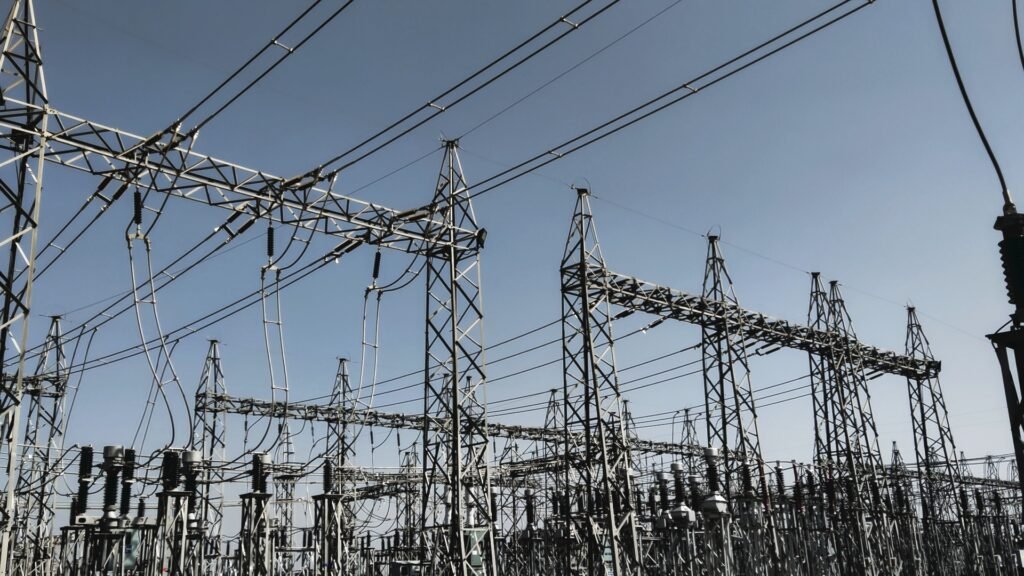
In large-scale electrical infrastructure projects, success depends not only on engineering design but also on how effectively the project is executed. Engineering, Procurement, and Construction (EPC) contracts place full responsibility on a single entity to deliver a project within defined technical, commercial, and time constraints. For power transmission, substations, renewable evacuation, and industrial electrical projects, selecting the right EPC partner is a critical decision that directly impacts project performance, safety, cost, and long-term reliability.
This blog explains why choosing the right EPC partner matters and outlines the key factors that distinguish a capable EPC contractor from the rest.
1. Single-Point Responsibility and Accountability
One of the primary advantages of the EPC model is single-point responsibility. The EPC contractor is accountable for engineering, material procurement, construction, testing, and commissioning.
Why it matters:
- Eliminates coordination gaps between multiple vendors
- Reduces interface risks and delays
- Ensures accountability for quality, safety, and schedule
An experienced EPC partner manages all interfaces efficiently, ensuring seamless execution and clear ownership of outcomes.
2. Strong Engineering Capability
Engineering is the foundation of any successful EPC project. Errors or inefficiencies at the design stage can lead to rework, delays, and cost overruns.
What a strong EPC partner offers:
- In-house multidisciplinary engineering teams
- Compliance with IS, IEC, and client-specific standards
- Optimized designs for cost, safety, and constructability
- Thorough design reviews and approvals
Robust engineering capability ensures that designs are practical, reliable, and aligned with project objectives.
3. Procurement Expertise and Supply Chain Control
Procurement directly affects project timelines and quality. Delays or substandard materials can compromise both.
Key procurement strengths of the right EPC partner:
- Established vendor networks and approved suppliers
- Timely sourcing of long-lead items
- Strict material inspection and testing procedures
- Effective logistics and inventory management
Efficient procurement ensures availability of quality materials at the right time, minimizing site disruptions.
4. Construction Experience and Execution Excellence
Construction is where plans are transformed into reality. Transmission lines, substations, and industrial electrical works involve complex activities and high safety risks.
Execution capabilities that matter:
- Skilled and trained workforce
- Proven construction methodologies
- Experience in challenging terrains and conditions
- Strong site supervision and planning
A capable EPC partner ensures safe, efficient, and high-quality construction even under demanding project conditions.
5. Quality Assurance and Compliance Management
Quality control is essential to ensure long-term reliability and regulatory compliance of electrical infrastructure.
The right EPC partner ensures:
- Comprehensive QA/QC systems and inspection plans
- Compliance with statutory, utility, and client requirements
- Proper documentation and traceability
- Minimal rework and defects
Consistent quality management reduces operational risks and lifecycle costs.
6. Safety Culture and Risk Management
Electrical EPC projects involve significant safety risks, including working at heights, heavy lifting, and live electrical systems.
Why safety-focused EPC partners stand out:
- Strong safety management systems
- Regular training and safety audits
- Use of certified equipment and PPE
- Zero-accident execution philosophy
A strong safety culture protects manpower, assets, and the project schedule while enhancing organizational reputation.
7. Project Management and Schedule Control
Effective project management ensures that projects are delivered on time and within budget.
Key project management strengths:
- Detailed planning and scheduling
- Proactive risk identification and mitigation
- Transparent progress reporting
- Coordination with multiple stakeholders
The right EPC partner anticipates challenges and takes corrective actions early, ensuring smooth project delivery.
8. Financial Stability and Commercial Strength
EPC projects require significant financial capacity to manage cash flows, procure materials, and handle contingencies.
Why financial strength matters:
- Ability to mobilize resources quickly
- Stability during market or supply fluctuations
- Confidence for clients and financiers
A financially sound EPC partner reduces the risk of project disruption and ensures long-term commitment.
9. Experience, Track Record, and Reputation
Past performance is a strong indicator of future success.
Factors to evaluate:
- Similar project experience
- Client references and repeat business
- Compliance and safety records
- Capability to handle project scale and complexity
An EPC partner with a proven track record brings reliability and confidence to the project.
10. Long-Term Value and Partnership Approach
The right EPC partner focuses not just on project completion but also on long-term asset performance and client relationships.
Value-driven EPC partners offer:
- Optimized solutions for lifecycle performance
- Support during operation and maintenance phases
- Transparent communication and collaboration
Such partnerships lead to sustainable infrastructure and repeat opportunities.
Conclusion
Choosing the right EPC partner is a strategic decision that can define the success or failure of an electrical infrastructure project. From engineering excellence and procurement efficiency to construction quality and safety management, a capable EPC contractor adds value at every stage of the project.
By selecting an EPC partner with strong technical capability, execution experience, financial stability, and a commitment to quality and safety, project owners can ensure timely delivery, long-term reliability, and maximum return on investment.