
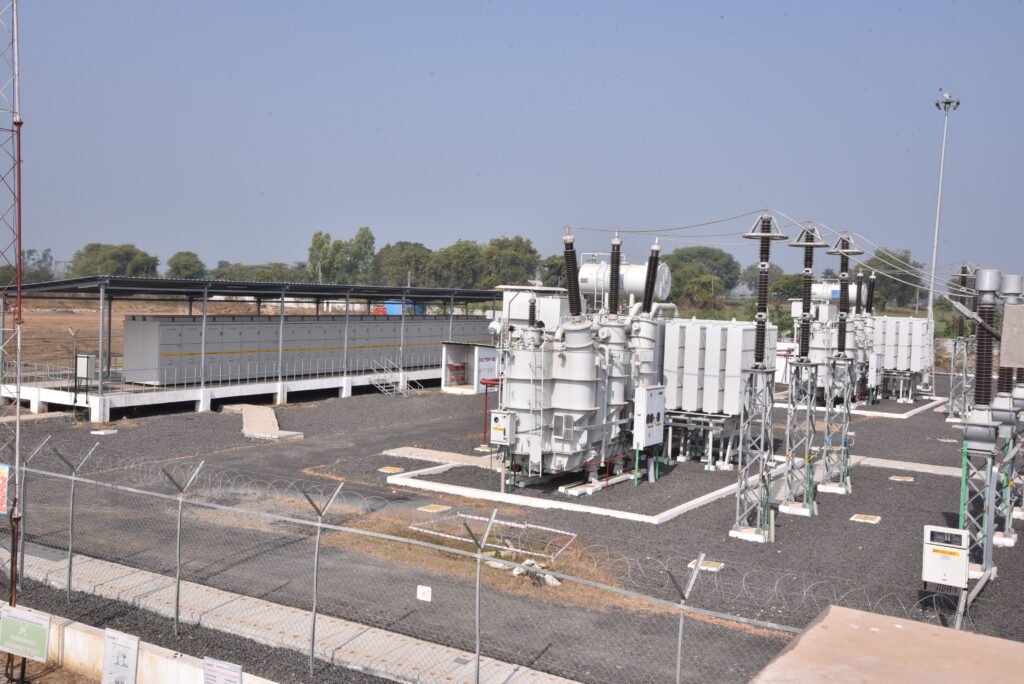
Electrical infrastructure is the backbone of modern development. From powering homes and industries to enabling transportation, healthcare, communication, and digital services, reliable electrical systems are fundamental to economic growth and quality of life. In today’s rapidly urbanizing and industrializing world, the demand for robust, efficient, and sustainable electrical infrastructure continues to rise.
This blog explores the critical role of electrical infrastructure in modern development, highlighting its impact on economic growth, industrial expansion, urban development, and sustainability.
1. Foundation of Economic Growth
A stable and reliable power supply is essential for economic development. Industries, commercial establishments, and service sectors depend on uninterrupted electricity to operate efficiently.
Key contributions:
- Enables industrial production and manufacturing
- Supports commercial and service-based economies
- Reduces operational downtime and production losses
Regions with strong electrical infrastructure attract investment, promote entrepreneurship, and create employment opportunities.
2. Enabling Industrial and Manufacturing Expansion
Modern industries rely heavily on advanced electrical systems to power machinery, automation, and control systems.
Role in industrial development:
- Supports high-power and precision-driven manufacturing
- Enables automation, robotics, and smart factories
- Ensures process reliability and safety
Well-designed electrical infrastructure allows industries to scale operations and adopt advanced technologies.
3. Driving Urbanization and Smart Cities
Urban development depends on comprehensive electrical infrastructure to support residential, commercial, and public facilities.
Key urban applications:
- Power supply for housing, offices, and public services
- Street lighting and traffic management systems
- Smart city technologies such as surveillance and data centers
Electrical infrastructure enables efficient city management and improves the overall quality of urban life.
4. Supporting Transportation and Mobility
Modern transportation systems rely heavily on electrical power.
Examples include:
- Electrified railways and metro systems
- Electric vehicle (EV) charging infrastructure
- Airport and port electrical systems
Reliable electrical infrastructure is critical for sustainable and efficient transportation networks.
5. Powering Healthcare and Education
Healthcare and education systems depend on continuous and high-quality electrical supply.
Critical applications:
- Operation of medical equipment and life-support systems
- Power for hospitals, laboratories, and research centers
- Digital learning platforms and educational institutions
Uninterrupted power ensures safety, continuity, and quality of essential services.
6. Facilitating Renewable Energy and Sustainability
Electrical infrastructure plays a central role in integrating renewable energy sources such as solar and wind into the power system.
Sustainability contributions:
- Grid integration of renewable energy
- Support for energy storage systems
- Reduction of transmission losses
A strong electrical network enables the transition to cleaner and more sustainable energy systems.
7. Enhancing Energy Efficiency and Reliability
Modern electrical infrastructure incorporates advanced technologies to improve efficiency and reliability.
Key features:
- Smart grids and digital monitoring
- Advanced protection and control systems
- Predictive maintenance and automation
These improvements reduce energy losses, enhance system performance, and improve service reliability.
8. Supporting Digital Transformation and Connectivity
Digital infrastructure such as data centers, communication networks, and cloud services depends on robust electrical systems.
Electrical infrastructure supports:
- Reliable power for data centers and telecom networks
- Backup power systems and redundancy
- Expansion of digital services and connectivity
This enables digital economies and innovation-driven development.
9. Rural Electrification and Social Development
Electrical infrastructure plays a vital role in improving living standards in rural and remote areas.
Benefits include:
- Access to lighting, clean cooking, and communication
- Support for agriculture and small-scale industries
- Improved healthcare and education access
Rural electrification drives inclusive development and social progress.
10. Role of EPC and Infrastructure Partners
The development of electrical infrastructure requires expertise in engineering, procurement, and construction.
EPC partners contribute through:
- Design and execution of transmission and distribution networks
- Construction of substations and power systems
- Quality, safety, and compliance management
Experienced EPC partners ensure timely, safe, and cost-effective delivery of infrastructure projects.
Conclusion
Electrical infrastructure is a cornerstone of modern development, enabling economic growth, industrial expansion, urbanization, and sustainability. As societies move toward cleaner energy, digitalization, and smart systems, the importance of robust electrical infrastructure will continue to grow.
Investment in reliable and future-ready electrical infrastructure is essential for achieving long-term development goals and improving the quality of life for communities.