
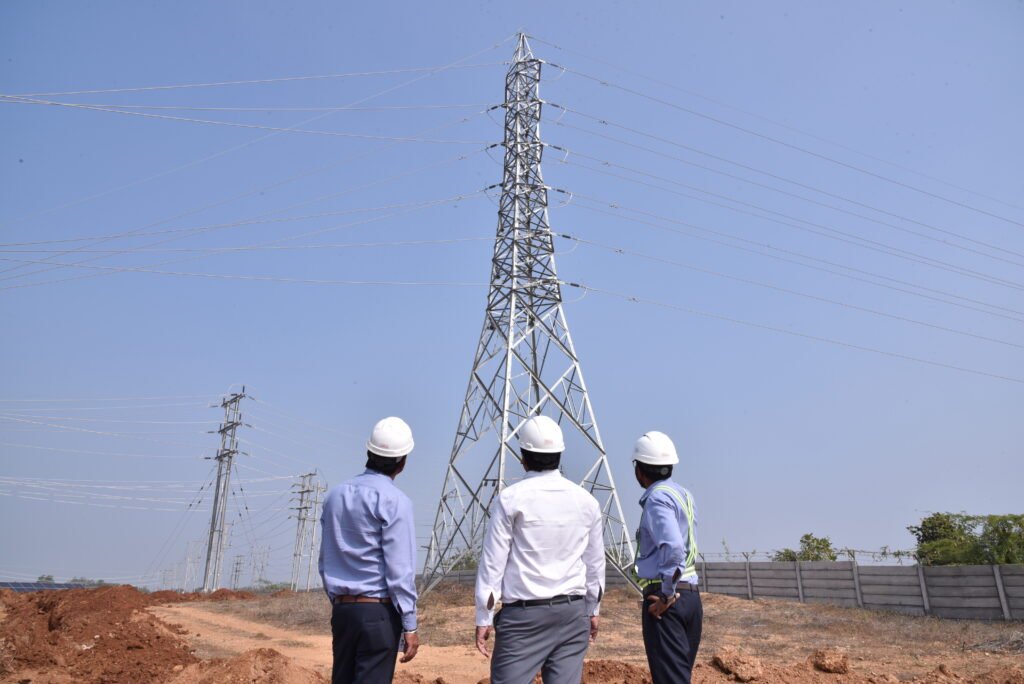
Power transmission projects form the backbone of any electrical infrastructure, enabling the safe and reliable transfer of electricity from generation sources to distribution networks. Given the high capital investment, long service life, and safety implications involved, quality control plays a critical role in ensuring the successful execution of transmission line projects. Even minor deviations in materials, workmanship, or construction practices can result in significant operational issues, safety hazards, and financial losses over time.
This blog highlights the importance of quality control in power transmission projects and explains how systematic quality management ensures reliability, safety, and compliance throughout the project lifecycle.
1. Quality Control as a Foundation for System Reliability
Transmission lines are designed to operate continuously under varying electrical, mechanical, and environmental conditions for several decades. Quality control ensures that each component of the system performs as intended over its entire lifespan.
Key reliability aspects include:
- Mechanical strength of towers and foundations
- Electrical performance of conductors and insulators
- Compliance with sag, clearance, and alignment requirements
Strict quality checks during design, material procurement, and construction help prevent premature failures, line outages, and costly repairs.
2. Material Quality and Procurement Control
Materials used in transmission projects—such as towers, conductors, insulators, hardware fittings, and foundation components—must meet stringent technical specifications.
Quality control measures include:
- Verification of manufacturer test certificates
- Inspection of raw materials and finished products
- Third-party testing for critical components
- Compliance with IS, IEC, and utility-specific standards
Ensuring material quality at the procurement stage minimizes the risk of defects and ensures consistency across the project.
3. Design Verification and Engineering Compliance
Quality control begins at the design stage, where engineering calculations and drawings define the performance and safety of the transmission system.
Key design-related quality aspects:
- Structural analysis of towers for wind, seismic, and temperature loads
- Electrical clearances and insulation coordination
- Foundation design based on geotechnical investigation
Independent design reviews and approval processes help identify discrepancies early, reducing the risk of rework during execution.
4. Quality Control in Foundation Works
Tower foundations are critical load-bearing elements that directly affect the stability and alignment of transmission structures.
QC activities during foundation works:
- Verification of excavation dimensions and depth
- Inspection of reinforcement placement
- Concrete quality checks, including mix design and cube testing
- Monitoring of curing and backfilling procedures
Proper documentation and stage-wise inspections ensure that foundations achieve the required strength and durability.
5. Tower Erection Quality Assurance
Tower erection involves assembling multiple structural members at height, making precision and workmanship essential.
Key quality checkpoints:
- Verification of tower parts against approved drawings
- Proper tightening of bolts to specified torque values
- Alignment and verticality checks
- Replacement of damaged or deformed members
Quality control during erection ensures structural integrity and prevents long-term issues such as loosening of joints or tower distortion.
6. Conductor Stringing and Sag Control
Stringing quality has a direct impact on electrical performance, mechanical stability, and statutory clearances.
Critical QC elements include:
- Use of approved tension stringing methods
- Monitoring of conductor pulling tension
- Verification of sag as per sag-tension charts
- Proper installation of spacers, dampers, and clamps
Deviation from approved stringing procedures can lead to excessive sag, reduced clearances, or conductor damage, affecting both safety and reliability.
7. Insulators and Hardware Installation Quality
Insulators and hardware fittings provide mechanical support and electrical insulation, making their correct installation essential.
Quality checks include:
- Visual inspection for cracks or defects
- Verification of correct assembly orientation
- Torque checking of fasteners
- Confirmation of correct insulator string configuration
High-quality installation reduces the risk of flashovers, mechanical failure, and maintenance issues during operation.
8. Pre-Commissioning Inspection and Testing
Before energization, comprehensive inspections and tests are conducted to confirm that the transmission line meets all technical and safety requirements.
Typical pre-commissioning checks:
- Final walk-down inspections
- Clearance measurement verification
- Joint continuity and integrity checks
- Earth resistance measurement
Only after successful completion of these checks and approval from the utility or authority is the line commissioned.
9. Documentation and Traceability
Effective quality control relies heavily on accurate documentation and traceability throughout the project.
Essential QC documents include:
- Inspection and test plans (ITPs)
- Material test certificates
- Stage-wise inspection reports
- As-built drawings and records
Well-maintained documentation ensures transparency, supports audits, and facilitates future maintenance and upgrades.
10. Long-Term Benefits of Strong Quality Control
A robust quality control system delivers long-term advantages for both asset owners and operators.
Key benefits:
- Reduced maintenance and outage costs
- Enhanced operational safety
- Improved asset life and performance
- Regulatory and statutory compliance
- Increased client confidence and reputation
Investing in quality control during construction significantly lowers the total cost of ownership over the life of the transmission asset.
Conclusion
Quality control is not merely a procedural requirement in power transmission projects—it is a strategic necessity. From design and material procurement to construction, testing, and commissioning, every stage demands strict adherence to quality standards. A disciplined quality control approach ensures that transmission infrastructure operates safely, efficiently, and reliably for decades.
Experienced EPC contractors recognize that strong quality management is key to delivering transmission projects that meet technical expectations, regulatory requirements, and long-term performance goals.