
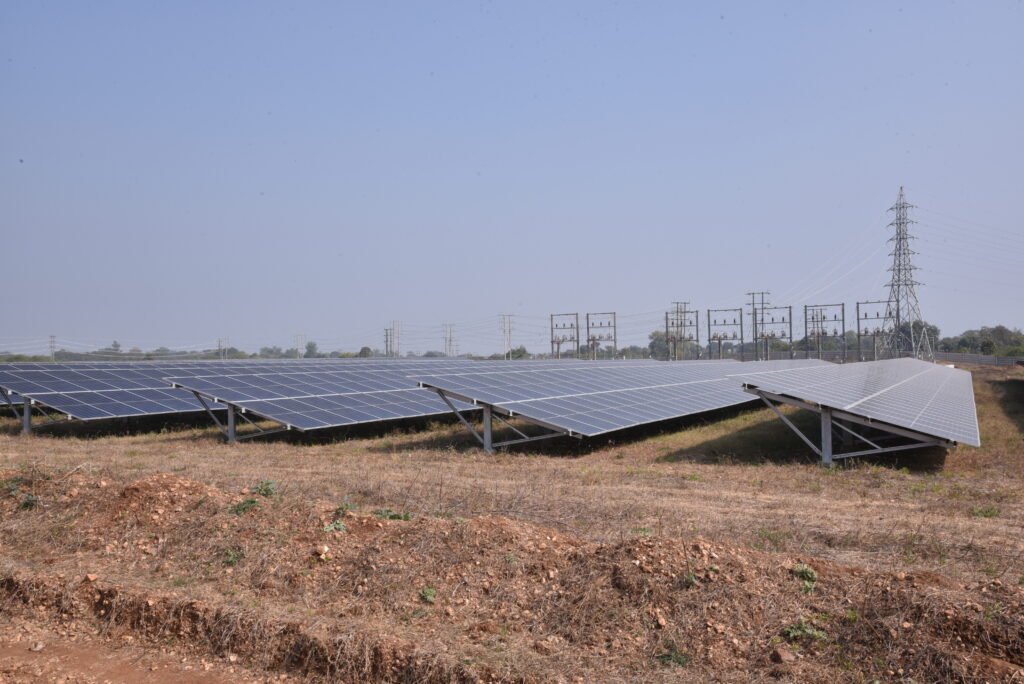
Renewable energy projects such as solar, wind, and hybrid power plants are central to India’s transition toward sustainable and low-carbon energy systems. While renewable generation technologies receive significant attention, the role of electrical engineering is equally critical in ensuring that these projects operate safely, efficiently, and reliably. Electrical engineering provides the framework that connects renewable energy sources to the grid and end users.
This blog explains how electrical engineering supports renewable energy projects across planning, design, execution, and operation stages.
1. Electrical System Design and Planning
Electrical engineering involvement begins at the conceptual stage of renewable energy projects. Engineers analyze project capacity, grid availability, site conditions, and load requirements to develop an optimal electrical configuration.
Key design activities include:
- Selection of system voltage levels
- Layout of power collection networks
- Design of substations and switchyards
- Short-circuit and load flow studies
Proper planning ensures efficient power evacuation, minimal losses, and compliance with grid codes.
2. Power Collection and Internal Grid Networks
In renewable energy plants, electrical systems collect power from multiple generation units and deliver it to a common point.
Solar Projects:
Power generated by solar PV modules is converted from DC to AC using inverters. Electrical engineers design DC and AC cabling systems, inverter placement, and protection schemes to maximize energy yield and safety.
Wind Projects:
Wind turbines generate power at variable voltage and frequency. Electrical systems include internal medium-voltage (MV) networks, step-up transformers, and protection devices to stabilize and collect power.
Efficient internal grid design reduces losses and enhances plant performance.
3. Inverters, Transformers, and Power Electronics
Power electronics play a critical role in renewable energy integration.
Electrical engineering responsibilities include:
- Selection of grid-compliant inverters
- Design of step-up transformer systems
- Harmonic analysis and mitigation
- Power factor and reactive power management
Modern inverters support grid stabilization by providing voltage control, frequency support, and fault ride-through capabilities.
4. Grid Interconnection and Evacuation Systems
Connecting renewable plants to the utility grid requires careful engineering and coordination.
Key electrical activities:
- Design of pooling substations and switchyards
- Transmission line and evacuation system planning
- Compliance with grid codes and utility requirements
- Protection coordination and relay settings
Electrical engineers ensure that renewable power is safely evacuated without disturbing grid stability.
5. Protection, Control, and SCADA Systems
Protection and control systems are essential for safe and reliable plant operation.
Key systems include:
- Protection relays for feeders, transformers, and generators
- Supervisory Control and Data Acquisition (SCADA) systems
- Remote monitoring and fault diagnostics
Electrical engineers configure these systems to detect faults quickly, isolate affected sections, and minimize downtime.
6. Earthing, Lightning Protection, and Safety Systems
Renewable energy plants are often spread over large open areas, making them vulnerable to lightning and earth faults.
Electrical safety systems include:
- Comprehensive earthing and grounding networks
- Lightning arresters and surge protection devices
- Touch and step potential control
Proper safety system design protects personnel, equipment, and ensures regulatory compliance.
7. Power Quality and Grid Stability Management
Renewable energy sources introduce variability into the grid, making power quality management essential.
Electrical engineering solutions:
- Harmonic filters and reactive power compensation
- Voltage regulation systems
- Battery energy storage integration
These systems help maintain grid stability and improve power quality during fluctuating generation.
8. Testing, Commissioning, and Grid Synchronization
Before commercial operation, renewable projects undergo extensive testing and commissioning.
Electrical commissioning activities include:
- Insulation resistance and continuity testing
- Protection relay testing
- Grid synchronization checks
- Performance verification
Thorough commissioning ensures that systems operate safely and meet performance guarantees.
9. Operation, Maintenance, and Performance Optimization
Electrical engineering continues to support renewable projects during the operation phase.
O&M support includes:
- Predictive maintenance using monitoring systems
- Periodic testing and inspection
- Performance analysis and optimization
Efficient electrical maintenance improves availability and extends equipment life.
10. Supporting India’s Renewable Energy Growth
India’s renewable energy targets require reliable electrical infrastructure. Electrical engineers enable large-scale integration of renewables by designing robust systems that connect generation to the grid efficiently and safely.
From small rooftop installations to large utility-scale plants, electrical engineering ensures renewable energy projects deliver consistent and sustainable power.
Conclusion
Electrical engineering is the backbone of renewable energy projects, providing the systems that enable generation, conversion, protection, and grid integration. Through careful design, advanced technology, and adherence to standards, electrical engineers ensure renewable energy systems are safe, reliable, and efficient.
As renewable energy capacity continues to expand, the role of electrical engineering will remain essential in shaping a sustainable energy future.