
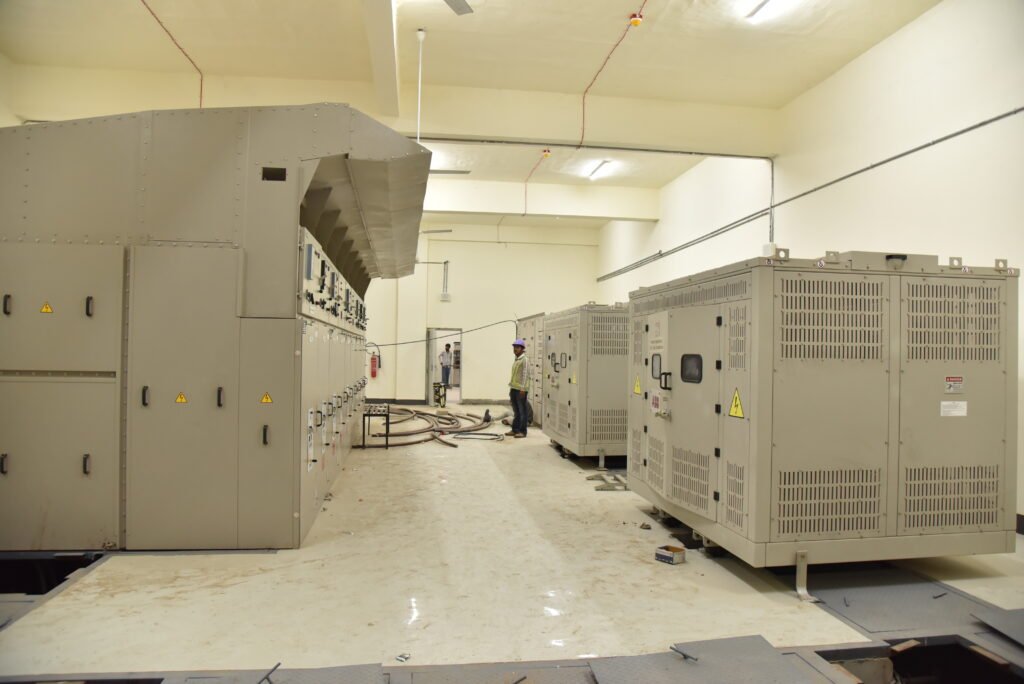
The electrical engineering landscape in India is undergoing rapid transformation driven by technology innovation, energy transition policies, digitalisation, and infrastructure expansion. From modernising the power grid to integrating renewable energy and deploying advanced analytics, several emerging trends are redefining how electrical systems are designed, built, and operated. These trends present new opportunities and challenges for utilities, EPC contractors, manufacturers, and engineers.
This blog outlines the most impactful trends currently shaping the electrical engineering industry in India, focusing on both technical innovation and strategic market shifts.
1. Smart Grids and Digitalisation of Power Systems
One of the most significant trends is the adoption of smart grids—electricity networks that use sensors, communication technologies, and data analytics to optimise power flow, reduce losses, and improve reliability. Digitalisation enable utilities to perform real-time monitoring, predictive maintenance, and automated fault detection, shortening outage times and enhancing service quality. Electrical Mirror
Smart grid technologies integrate Internet of Things (IoT) sensors, advanced metering infrastructure (AMI), and remote control systems into traditional grid infrastructure. The result is enhanced operational efficiency and the ability to respond dynamically to demand fluctuations. This trend also supports distributed energy resources (DERs), making grids more flexible and resilient. Electrical & Power Review
2. Renewable Energy Integration and Energy Storage
India’s renewable energy growth has been remarkable, with record additions in solar and wind capacity in 2025, propelling total non-fossil fuel capacity beyond 260 GW. The Times of India As the grid incorporates more variable renewable sources, electrical engineers are focusing on efficient integration and stability solutions, including:
- Battery Energy Storage Systems (BESS) for managing intermittent generation and peak shifting
- Hybrid renewables + storage systems for grid reliability
- Advanced power converters and inverters for smooth grid interfacing
Energy storage is becoming a cornerstone for grid planning as renewable penetration increases. Demand for BESS solutions is expected to grow as utilities and industrial consumers seek stability and quality power. Reddit
3. High-Voltage DC (HVDC) and Advanced Transmission Technologies
As India’s power grid expands, transmission technologies such as high-voltage direct current (HVDC) are gaining traction. HVDC systems are ideal for long-distance power transfer with lower losses compared to AC systems and better control over power flows—critical for connecting far-flung renewable energy zones to load centres. Power Line Magazine
Other technical innovations include:
- High-Temperature Low-Sag (HTLS) conductors for enhanced power transfer capacity
- Digital twin platforms and dynamic line rating (DLR) for real-time performance analytics
- GIS and IoT-based asset management for predictive maintenance
These technologies reduce operational costs, optimise network utilisation, and support the large-scale mobility of energy across regions. Power Line Magazine
4. Artificial Intelligence (AI) and Predictive Analytics
AI and machine learning are increasingly applied to forecast demand, optimise grid operations, and automate decision-making. In electrical grid management, AI algorithms analyse large datasets to predict equipment failures, forecast load patterns, and recommend preventive action—minimising downtime and maximising asset life. Usha Martin
Utilities and EPC firms are adopting AI-driven systems for:
- Condition-based maintenance of transformers, lines, and substations
- Automated fault detection and classification
- Energy management systems with adaptive control
The integration of AI into electrical systems aligns with the broader digital transformation sweeping across industry sectors. The Times of India
5. Electric Vehicles (EVs) and Charging Infrastructure
The shift toward electrified mobility is reshaping electrical engineering demands. EV adoption is accelerating, driven by incentives and falling battery costs. Electrical engineers are deeply involved in designing EV charging infrastructure, grid impact studies, power electronics for chargers, and fast-charging technologies. Karpagam Academy of Higher Education
Trends in this space include:
- High-power DC fast chargers
- V2G (Vehicle-to-Grid) integration for grid support
- Standardised charging protocols and safety systems
EV growth not only increases electricity demand but also creates opportunities for load management and ancillary services within the power grid.
6. IoT, Automation and Industrial Digitalisation
The Internet of Things (IoT) is transforming electrical infrastructure into connected, data-driven systems. IoT sensors and automated control systems improve monitoring, enable quicker response to faults, and support predictive maintenance. This digital layer also enhances asset management and reduces operational costs. Noble University
In industrial environments, automation and robotics—supported by electrical control systems—drive efficiencies in manufacturing, process control, and energy utilisation. These technologies align with India’s broader push for Industry 4.0 adoption.
7. Cybersecurity and Protection of Critical Infrastructure
With greater digital integration comes increased cybersecurity risk. Smart grids, automated control systems, and IoT endpoints expand the attack surface, making cybersecurity an essential part of electrical system design. Electrical engineers now incorporate cyber protection measures to safeguard data integrity and critical operations—especially in transmission, distribution and industrial automation. anandice.ac.in
This trend includes secure protocols, intrusion detection systems, and real-time threat monitoring to protect infrastructure from evolving threats.
8. Skills and Education Aligned with Industry Needs
Emerging technologies require new skill sets. India’s regulatory and educational bodies are updating curricula to emphasize digital skills, AI competency, and practical exposure to modern electrical systems. For example, AICTE has revised electrical engineering curriculum to align with innovation, industry relevance, and global standards. The Times of India
This shift ensures that future engineers are ready for careers in smart grids, renewable integration, AI-enabled systems, and automation.
9. Prosumers and Distributed Energy Resources (DERs)
Another significant trend is the rise of prosumers—consumers who also generate power using rooftop solar or other small-scale installations. This decentralised energy model requires adaptive grid infrastructure and bi-directional power flow management, often enabled through smart metering and advanced control systems. Electrical & Power Review
DER integration creates opportunities for new business models, grid services, and energy markets.
10. Green and Sustainable Electrical Solutions
Sustainability is a core focus across the electrical engineering industry. Innovations range from eco-friendly switchgear and distribution transformers to energy-efficient motors and drives. The push for SF₆-free insulation systems in high-voltage switchgear (globally emerging) highlights the shift toward greener technologies that reduce harmful emissions. Reddit
In India, sustainability priorities are reinforced by policy goals for carbon reduction and clean power generation.
Conclusion
The electrical engineering industry in India is rapidly evolving, driven by digital technologies, renewable integration, grid modernisation, and changing consumption patterns. Engineers and organisations that embrace these trends—such as smart grids, AI analytics, EV infrastructure, and IoT-enabled systems—will be better positioned to deliver reliable, efficient, and future-ready electrical solutions.
As energy systems become more interconnected and intelligent, electrical engineers will play a pivotal role in shaping the nation’s infrastructure, sustainability goals, and technological leadership through 2030 and beyond.