
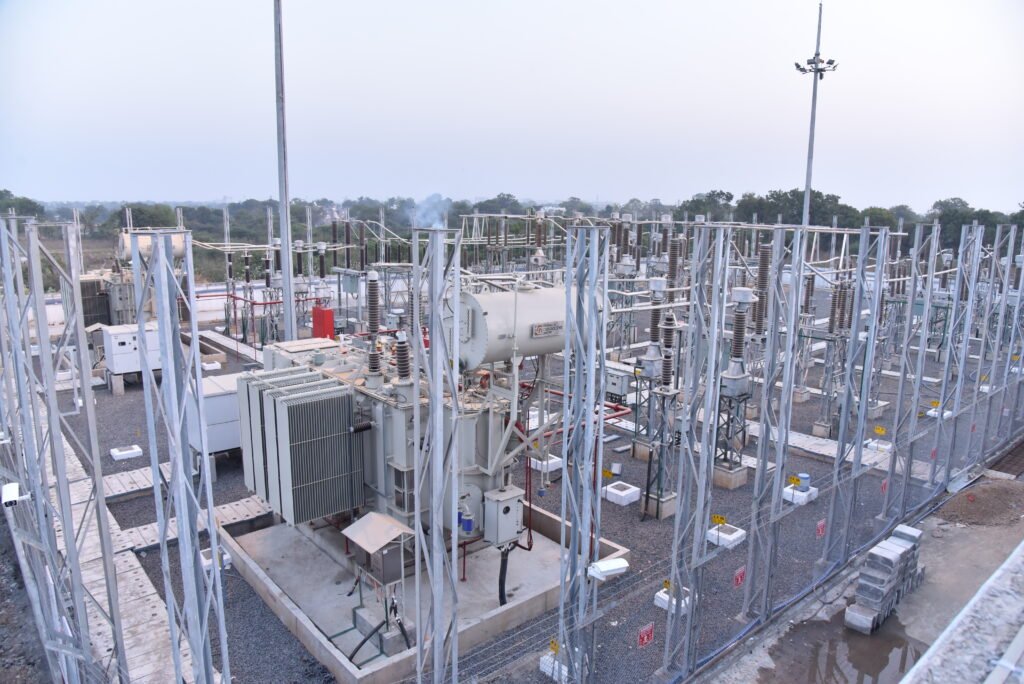
Transmission line construction is a highly specialized discipline within electrical engineering that plays a critical role in ensuring uninterrupted power supply across regions. With increasing power demand, integration of renewable energy, and expansion of national grids, transmission projects are becoming more complex in scale and execution. These projects often span long distances and encounter diverse geographical, environmental, and regulatory challenges.
Successful transmission line construction depends on technical expertise, strong project planning, and the ability to manage on-ground challenges effectively. This blog explores the key challenges faced during transmission line construction and explains how experienced EPC contractors address them through engineering solutions and best practices.
1. Right-of-Way (ROW) and Land Acquisition Issues
One of the most significant challenges in transmission line projects is securing the right-of-way. Transmission corridors often pass through private land, agricultural areas, forest zones, and urban regions.
Challenges:
- Resistance from landowners
- Legal disputes and compensation delays
- Alignment changes due to local constraints
Expert Solutions:
Experienced contractors conduct early-stage route optimization using GIS and satellite mapping to minimize land impact. Continuous coordination with local authorities, utility agencies, and landowners helps resolve disputes efficiently. In congested or sensitive areas, special tower designs such as narrow-base or multi-circuit towers are used to reduce land footprint.
2. Difficult Terrain and Site Accessibility
Transmission lines frequently pass through hilly terrain, forests, deserts, marshy land, and remote locations where access is limited.
Challenges:
- Transportation of materials to remote sites
- Safety risks during foundation and erection work
- Reduced productivity due to terrain limitations
Expert Solutions:
Specialized construction methodologies are adopted based on terrain conditions. Helicopter stringing, drone-based surveys, modular tower components, and temporary access roads are used where conventional methods are not feasible. Contractors also deploy terrain-trained manpower and customized equipment to maintain productivity and safety.
3. Foundation Design and Soil Conditions
Tower foundation performance is directly linked to soil bearing capacity and site conditions. Variations in soil type across the same route create engineering challenges.
Challenges:
- Weak or marshy soil
- Rocky or hard strata
- River crossings and flood-prone areas
Expert Solutions:
Detailed geotechnical investigations are conducted for each tower location. Foundation designs are customized using pile foundations, rock anchors, well foundations, or reinforced raft foundations as required. Strict quality control during excavation, concreting, and curing ensures long-term stability of the towers.
4. Weather and Environmental Conditions
Transmission line construction is highly dependent on weather conditions. Adverse climate can disrupt schedules and compromise safety.
Challenges:
- Monsoon-related delays and flooding
- High winds affecting stringing operations
- Extreme temperatures impacting manpower and materials
Expert Solutions:
Experienced EPC contractors prepare weather-based construction schedules and maintain buffer timelines. Stringing operations are planned during suitable wind and temperature conditions using approved sag-tension charts. Drainage arrangements, protective measures, and temporary shelters are deployed at vulnerable sites.
5. Safety Risks and Workforce Management
Transmission line construction involves working at heights, handling heavy materials, and operating under live-line proximity in some cases.
Challenges:
- Risk of falls during tower erection
- Electrical hazards during stringing and commissioning
- Workforce fatigue and skill gaps
Expert Solutions:
Strict implementation of Safety Management Systems (SMS) is a priority for professional contractors. This includes:
- Mandatory PPE usage
- Tool-box talks and safety training
- Certified lifting tools and fall protection systems
- Deployment of trained and experienced supervisors
A strong safety culture significantly reduces accidents and improves workforce confidence and productivity.
6. Stringing and Sag Control Challenges
Conductor stringing is a technically critical activity that directly affects line performance and clearance compliance.
Challenges:
- Maintaining correct sag under varying temperatures
- Avoiding conductor damage during pulling
- Managing long spans and special crossings
Expert Solutions:
Modern projects use tension stringing equipment, real-time monitoring tools, and calibrated winches to control pulling tension. Stringing blocks are installed carefully to avoid conductor abrasion. Experts follow approved sag-tension charts and conduct verification checks before clipping-in.
7. Quality Control and Compliance Requirements
Transmission utilities impose strict quality and compliance standards to ensure long-term reliability.
Challenges:
- Multiple inspections and approvals
- Adherence to IS, IEC, and utility-specific standards
- Documentation and traceability requirements
Expert Solutions:
Professional EPC companies establish dedicated QA/QC teams to monitor every stage of construction. Material testing, stage-wise inspections, and detailed documentation are maintained to ensure compliance. Regular internal audits help identify and rectify deviations early.
8. Coordination with Multiple Stakeholders
Transmission line projects involve coordination with utilities, government departments, contractors, suppliers, and local communities.
Challenges:
- Delays due to approval dependencies
- Communication gaps between stakeholders
- Schedule conflicts
Expert Solutions:
Effective project management frameworks are implemented using structured communication channels, progress tracking systems, and coordination meetings. Experienced project managers ensure alignment between engineering, procurement, and construction teams to maintain project timelines.
Conclusion
Transmission line construction is a complex engineering activity that demands technical excellence, safety discipline, and strong project execution capability. Challenges related to land, terrain, weather, safety, and compliance are inevitable, but they can be effectively managed through experience-driven planning and advanced construction practices.
Expert EPC contractors combine engineering expertise, modern technology, trained manpower, and proactive risk management to deliver transmission projects safely, efficiently, and in compliance with regulatory standards. As power infrastructure continues to expand, overcoming these challenges will remain critical to ensuring reliable and sustainable energy transmission.