
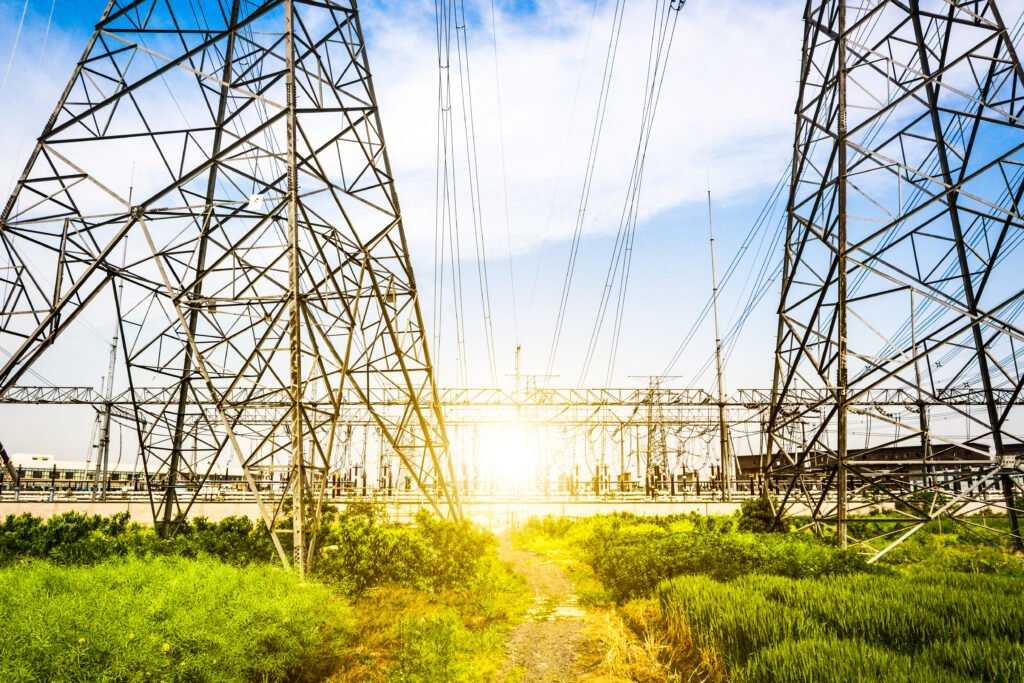
As the demand for electricity grows globally, power transmission systems face increasing challenges in efficiency, reliability, and integration of renewable energy. India, in particular, is expanding its transmission infrastructure to meet rising industrial, urban, and rural energy needs. To ensure that power systems remain resilient and future-ready, utilities and EPC companies are turning to smart grids and High-Voltage Direct Current (HVDC) technologies. These solutions not only optimize energy delivery but also enable seamless integration of renewable resources and industrial loads.
This blog explores how smart grids and HVDC systems are shaping the future of power transmission networks, highlighting technical innovations, benefits, and implementation strategies.
1. Understanding Smart Grids
A smart grid is an electricity network enhanced with digital communication, sensors, automation, and advanced control systems. Unlike traditional grids, smart grids allow two-way communication between utilities and consumers, enabling dynamic monitoring, predictive maintenance, and real-time load management.
Key Features of Smart Grids:
- Real-Time Monitoring: Advanced sensors and meters track voltage, current, and power quality in real-time.
- Automation: Automated switches and reclosers isolate faults quickly, reducing downtime.
- Demand Response: Utilities can adjust supply based on real-time demand, minimizing peak load issues.
- Integration with Renewables: Facilitates the incorporation of solar, wind, and other intermittent energy sources.
Smart grids are not just an upgrade; they are a strategic enabler for modern electrical infrastructure, reducing operational costs and enhancing grid reliability.
2. High-Voltage Direct Current (HVDC) Transmission
HVDC technology is increasingly preferred for long-distance and high-capacity power transmission. Unlike AC systems, HVDC allows power to be transmitted with lower losses, higher stability, and better controllability.
Benefits of HVDC:
- Reduced Transmission Losses: HVDC lines have lower resistive losses compared to AC lines over long distances.
- Enhanced Stability: HVDC links can stabilize grids by controlling power flow independently.
- Interconnection Flexibility: HVDC allows interconnection of asynchronous grids, facilitating regional power sharing.
- Integration with Renewable Energy: Ideal for connecting remote solar and wind farms to load centers.
In India, HVDC projects are critical for transporting power from resource-rich states to industrial and urban demand centers, ensuring reliable and efficient energy delivery.
3. Role of Smart Grids and HVDC in Industrial Applications
Modern industrial operations require continuous, high-quality power supply. Smart grids and HVDC systems support industrial growth in several ways:
- Improved Power Quality: Minimizes voltage fluctuations and harmonics that can damage sensitive equipment.
- Predictive Maintenance: Smart grid monitoring identifies potential faults in transformers, substations, and transmission lines before failures occur.
- Energy Optimization: Real-time data allows industrial consumers to manage load profiles and reduce energy costs.
- Resilience: HVDC interconnections provide stable power even during grid disturbances.
By combining smart grids and HVDC transmission, EPC contractors can deliver industrial-ready solutions that ensure reliability, efficiency, and scalability.
4. Future-Proofing Power Transmission Networks
Future-proofing involves designing power systems that can adapt to changing demand, integrate new technologies, and maintain operational resilience.
Strategies Include:
- Digital Twin Models: Creating virtual representations of the power network allows utilities to simulate scenarios, optimize performance, and predict faults.
- Advanced Monitoring and Analytics: IoT sensors, AI algorithms, and SCADA systems provide predictive insights for preventive maintenance and load management.
- Flexible AC Transmission Systems (FACTS): Complement HVDC lines to enhance stability and allow dynamic voltage control.
- Modular Substations: Design substations that can be upgraded or expanded with minimal downtime.
- Renewable Integration Planning: Ensure grid capacity, storage, and control systems can accommodate increasing solar and wind penetration.
By incorporating these strategies, EPC and transmission companies ensure that the grid remains scalable, resilient, and aligned with future energy trends.
5. Technical Challenges and Solutions
While smart grids and HVDC systems offer significant advantages, implementation comes with challenges:
5.1 Integration of Renewable Energy
- Challenge: Intermittent generation from solar and wind can destabilize the grid.
- Solution: Smart grids use predictive analytics and energy storage systems (BESS) to balance supply and demand dynamically.
5.2 High Capital Investment
- Challenge: HVDC and smart grid technologies require significant initial investment.
- Solution: Long-term benefits include reduced transmission losses, lower maintenance costs, and higher grid reliability, justifying the investment.
5.3 Technical Complexity
- Challenge: HVDC converters, FACTS devices, and digital monitoring systems are complex to operate and maintain.
- Solution: Skilled EPC teams with specialized training ensure proper installation, commissioning, and O&M support.
5.4 Cybersecurity Risks
- Challenge: Digitization exposes the grid to potential cyber threats.
- Solution: Implement robust cybersecurity protocols, secure communication channels, and continuous monitoring to protect critical infrastructure.
6. EPC Perspective: Delivering Modern Transmission Projects
EPC companies play a pivotal role in deploying smart grid and HVDC solutions effectively. Their responsibilities include:
- Engineering Design: Tailoring solutions to site conditions, load requirements, and renewable integration.
- Procurement: Sourcing high-quality, certified components such as HVDC converters, smart meters, and control devices.
- Construction & Commissioning: Ensuring accurate installation, testing, and adherence to safety standards.
- Operation & Maintenance: Offering predictive maintenance, monitoring services, and system optimization for long-term reliability.
By leveraging EPC expertise, utilities and industries can accelerate the deployment of future-ready transmission networks with minimal risk.
7. Case Study: Smart Grid & HVDC in Action (India Focus)
India has successfully implemented multiple HVDC and smart grid projects:
- Green Energy Corridors: HVDC lines connecting wind-rich states like Tamil Nadu and Karnataka to load centers such as Delhi and Mumbai.
- Smart Grid Pilots: Urban smart grids in Gujarat and Maharashtra integrating renewable energy, advanced metering, and real-time monitoring.
These projects demonstrate how EPC expertise combined with advanced technology ensures efficient, scalable, and reliable power transmission.
8. The Road Ahead
As India pushes toward a 450 GW renewable energy target by 2030, smart grids and HVDC systems will be essential. Future networks will:
- Integrate distributed energy resources (DERs)
- Enable grid automation and AI-based load forecasting
- Support industrial electrification and EV infrastructure
- Enhance cross-border energy trading and regional power sharing
EPC companies that embrace these technologies will be at the forefront of delivering resilient, efficient, and future-proof power systems.
Conclusion
Smart grids and HVDC technologies are no longer optional—they are fundamental to modernizing transmission networks. By enabling efficient energy delivery, renewable integration, and enhanced grid resilience, these technologies future-proof the power system against growing demand and emerging challenges.
For industrial, commercial, and utility stakeholders, partnering with experienced EPC firms ensures that power transmission projects are executed safely, efficiently, and ready to accommodate the next generation of energy solutions.