
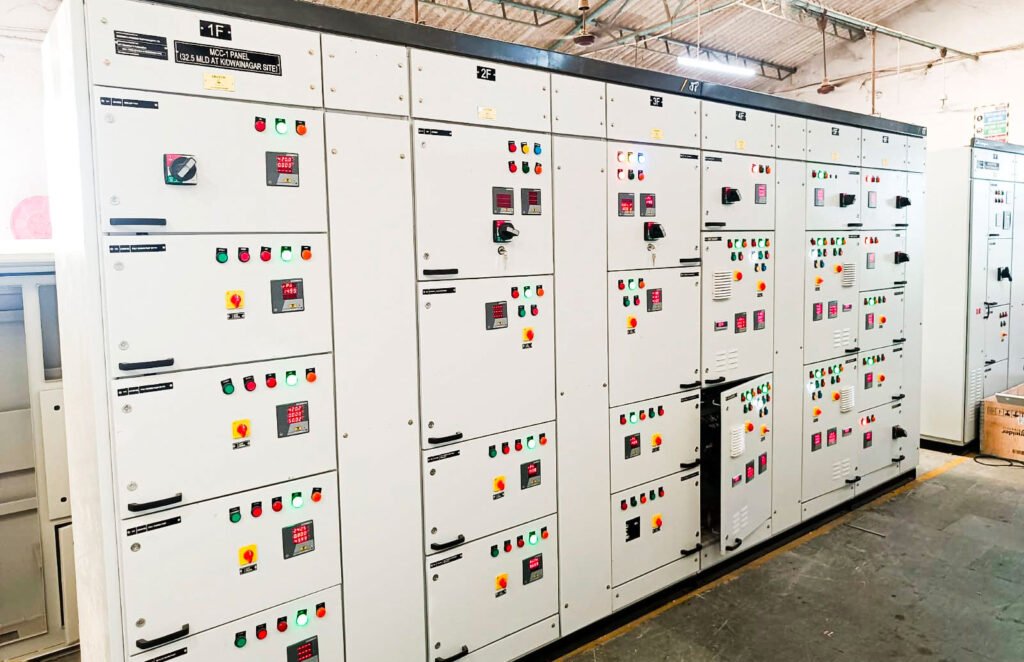
Electrical systems are broadly classified into High Tension (HT) and Low Tension (LT) based on voltage levels. These systems form the backbone of power generation, transmission, and utilization across industries, commercial buildings, and infrastructure projects. Understanding the difference between HT and LT electrical systems is essential for safe design, efficient operation, and regulatory compliance.
This guide explains HT and LT electrical systems in simple terms, covering their definitions, components, applications, and key differences.
1. What Is an HT Electrical System?
HT (High Tension) electrical systems operate at higher voltage levels, typically above 1 kV. These systems are used to transmit electrical power efficiently over long distances and to supply power to large industrial loads.
Common HT Voltage Levels:
- 3.3 kV
- 6.6 kV
- 11 kV
- 22 kV
- 33 kV and above
HT systems reduce power losses during transmission and are essential for bulk power transfer.
2. Components of an HT Electrical System
HT systems consist of specialized equipment designed to handle high voltage safely and reliably.
Key HT Components:
- HT Switchgear – Circuit breakers, isolators, and protection relays
- Power Transformers – Step-down transformers converting HT to LT
- HT Cables / Overhead Lines – For power transmission
- Current Transformers (CTs) & Potential Transformers (PTs) – For metering and protection
- Earthing Systems – For safety and fault protection
Each component must comply with relevant IS / IEC standards due to the high risk associated with HT voltages.
3. Applications of HT Systems
HT systems are commonly used where large power demand exists.
Typical Applications:
- Power transmission and distribution networks
- Large industrial plants (steel, cement, refineries)
- Substations and grid infrastructure
- Renewable energy evacuation systems
HT systems allow efficient power delivery while maintaining system stability.
4. What Is an LT Electrical System?
LT (Low Tension) electrical systems operate at voltages up to 1 kV, most commonly 415 V (three-phase) and 230 V (single-phase). These systems are used for end-use power consumption.
LT systems deliver electricity safely to equipment, machines, lighting, and appliances.
5. Components of an LT Electrical System
LT systems consist of distribution and protection equipment suitable for lower voltage levels.
Key LT Components:
- LT Panels and Distribution Boards
- MCBs, MCCBs, ACBs, and RCCBs
- LT Cables and Bus Ducts
- Motors, Lighting, and Control Panels
- Earthing and Bonding Systems
Though operating at lower voltage, LT systems still require proper design and protection to ensure safety.
6. Applications of LT Systems
LT systems are widely used across residential, commercial, and industrial sectors.
Typical Applications:
- Residential buildings
- Commercial complexes and offices
- Industrial machinery and control systems
- Lighting, HVAC, and utility systems
LT systems directly power end-user equipment.
7. Key Differences Between HT and LT Systems
Understanding the differences helps in proper system selection and design.
| Parameter | HT System | LT System |
| Voltage Level | Above 1 kV | Up to 1 kV |
| Power Loss | Low | Higher compared to HT |
| Equipment Size | Larger, robust | Smaller, compact |
| Safety Risk | High (requires strict controls) | Moderate |
| Application | Transmission & large loads | End-use distribution |
8. Safety Considerations in HT & LT Systems
Safety is critical in both systems, especially HT installations.
HT Safety Measures:
- Restricted access and clearances
- Interlocking systems
- Trained and authorized personnel only
- High-quality earthing systems
LT Safety Measures:
- Proper circuit protection
- RCCBs for shock protection
- Correct cable sizing
- Regular inspection and maintenance
Adhering to safety standards prevents accidents and ensures system reliability.
9. Importance of Earthing in HT & LT Systems
Earthing protects people and equipment from electrical faults.
Earthing Functions:
- Dissipates fault current safely
- Prevents electric shock
- Stabilizes system voltage
HT systems typically require multiple earth pits and low resistance values, while LT systems use protective and equipment earthing.
10. Selection Criteria: HT vs LT
Choosing between HT and LT depends on power demand and application.
When to Use HT:
- High power requirement
- Long-distance power transmission
- Industrial plants with heavy loads
When to Use LT:
- Low to moderate power demand
- Distribution within buildings
- Final connection to equipment
Correct system selection ensures efficiency, safety, and cost optimization.
Conclusion
HT and LT electrical systems serve different but complementary roles in power infrastructure. HT systems enable efficient transmission and bulk power handling, while LT systems deliver electricity safely to end users. Understanding their differences, components, and applications is essential for engineers, project managers, and clients alike.
A well-designed HT–LT system combination ensures reliable power supply, regulatory compliance, and long-term operational safety.