
Electrical projects—whether related to transmission lines, substations, industrial installations, or EPC works—involve inherent risks that can lead to serious injury, equipment damage, or operational failure if not managed properly. Safety in electrical engineering is not optional; it is a fundamental requirement governed by national and international standards.
Adherence to electrical safety standards ensures the protection of personnel, assets, and infrastructure while also ensuring legal and regulatory compliance. This blog outlines the key electrical safety standards every project must follow and explains how systematic safety practices contribute to successful project execution.
1. Importance of Electrical Safety Standards
Electrical safety standards are established to minimize the risks associated with electrical energy, high voltages, and complex installations.
Key objectives of safety standards:
- Prevention of electrical shock and burns
- Protection against fire and explosion
- Safe operation and maintenance of equipment
- Compliance with statutory and regulatory requirements
Strict adherence to these standards reduces accidents, improves reliability, and enhances project credibility.
2. Applicable Electrical Safety Standards and Codes
Electrical projects must comply with multiple standards depending on the project scope and voltage level.
Commonly applicable standards include:
- Indian Electricity Rules (IER) and Electricity Act
- IS and IEC standards for equipment and installations
- National Electrical Code (NEC)
- Central Electricity Authority (CEA) safety regulations
- Client and utility-specific safety guidelines
Experienced EPC contractors ensure that all applicable standards are identified and implemented from the planning stage itself.
3. Safety in Electrical Design and Engineering
Electrical safety begins at the design stage, where risks can be eliminated or minimized through proper engineering.
Key design safety considerations:
- Adequate insulation coordination
- Proper earthing and grounding systems
- Safe clearance and creepage distances
- Selection of appropriate protection devices
Design reviews and hazard identification studies help ensure compliance and prevent unsafe conditions during construction and operation.
4. Safe Work Practices During Construction
Construction activities expose workers to electrical hazards, working at heights, and heavy equipment.
Essential safety practices include:
- Lockout–Tagout (LOTO) procedures
- Use of insulated tools and equipment
- Safe access and working platforms
- Compliance with work permit systems
Strict supervision and adherence to method statements ensure safe execution on site.
5. Personal Protective Equipment (PPE)
PPE serves as the last line of defense against electrical hazards.
Mandatory PPE in electrical projects:
- Insulated gloves and footwear
- Arc-flash protective clothing
- Safety helmets and face shields
- Fall protection equipment for height work
Regular inspection and proper usage of PPE are essential to maintain safety effectiveness.
6. Earthing and Grounding Safety
Proper earthing is one of the most critical aspects of electrical safety, ensuring fault currents are safely dissipated.
Earthing safety requirements:
- Low earth resistance values as per standards
- Proper bonding of metallic structures
- Periodic testing and verification
- Use of approved earthing materials
Inadequate earthing can lead to dangerous touch and step potentials, making strict quality control essential.
7. Electrical Equipment Safety and Testing
All electrical equipment must be tested and certified before installation and commissioning.
Safety-related tests include:
- Insulation resistance tests
- High-voltage withstand tests
- Functional testing of protection systems
- Relay coordination and tripping tests
Testing ensures equipment performance and prevents failures during operation.
8. Training, Competency, and Authorization
Human error is a major contributor to electrical accidents. Proper training and competency management are vital.
Best practices include:
- Regular safety training programs
- Certification and authorization of electrical personnel
- Tool-box talks and refresher sessions
- Clear role definition and supervision
Only trained and authorized personnel should be allowed to work on electrical systems.
9. Emergency Preparedness and Incident Management
Despite preventive measures, emergency preparedness is necessary to handle unforeseen incidents.
Key elements include:
- Emergency response plans
- First-aid and electrical shock treatment training
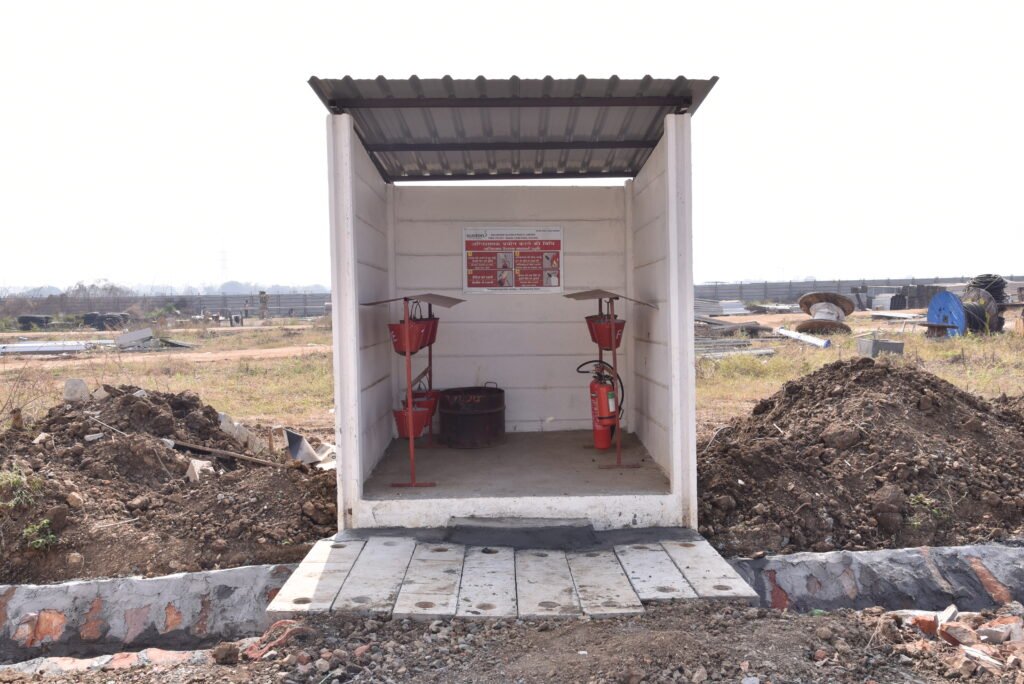
- Availability of fire-fighting equipment
- Incident reporting and corrective action systems
A structured response minimizes damage and prevents recurrence.
10. Safety Audits and Continuous Improvement
Safety management is an ongoing process that requires regular monitoring and improvement.
Safety assurance measures:
- Internal and third-party safety audits
- Compliance inspections
- Near-miss reporting and analysis
- Continuous improvement initiatives
A proactive safety approach helps maintain high safety standards throughout the project lifecycle.
Conclusion
Electrical safety standards form the foundation of every successful power and EPC project. From design and procurement to construction, testing, and commissioning, safety must be integrated into every activity. Compliance with established standards, combined with strong safety culture and trained manpower, ensures accident-free execution and long-term reliability.
Organizations that prioritize safety not only protect their workforce and assets but also demonstrate professionalism, regulatory compliance, and commitment to excellence.